Negli ultimi cinque anni i contenuti video in tempo reale hanno conquistato una fetta enorme del consumo mediatico globale. Piattaforme come Twitch, YouTube Live e TikTok hanno trasformato il semplice “guardare” in un’esperienza interattiva, dove gli spettatori possono commentare, votare e persino influenzare le decisioni del creatore in tempo reale. Questa evoluzione ha spinto i brand a cercare nuovi spazi di visibilità: il gambling online, tradizionalmente relegato a banner statici e banner pop‑up, è ora presente nelle chat di migliaia di utenti che seguono le loro sessioni di gioco preferite.
Il panorama dei casinò online per i giocatori stranieri è particolarmente dinamico; per chi vuole approfondire le offerte disponibili, una buona risorsa è il sito di casino non aams, che raccoglie le piattaforme più rilevanti per chi gioca fuori dai confini nazionali.
Questo articolo analizza, da un punto di vista culturale, come le collaborazioni tra i principali siti di gioco d’azzardo e gli influencer di streaming stiano ridefinendo le dinamiche di consumo, la percezione del rischio e le norme sociali attorno al gambling. Si esamineranno le strategie di partnership, l’impatto sulle generazioni digitali e le prospettive future, con un occhio di riguardo alla sicurezza online e al rispetto delle licenze di gioco.
1. Il nuovo ecosistema di intrattenimento: streaming, gaming e gambling
Le piattaforme di streaming hanno subito una rapida evoluzione. Twitch, nato come hub per i videogiochi, ha introdotto categorie dedicate al “Just Chatting” e, più recentemente, al “Casino”. YouTube Live, grazie all’integrazione con le sue funzioni di Super Chat, permette ai creator di monetizzare direttamente le interazioni dei fan. TikTok, con i suoi video brevi, ha lanciato la funzione “Live Gifts”, dove gli spettatori possono inviare monete virtuali durante le sessioni di gioco.
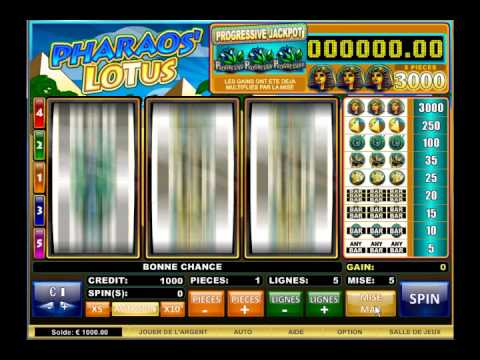
Queste piattaforme non sono più isolate: i casinò online hanno iniziato a integrare i propri prodotti direttamente nelle interfacce di streaming. Alcuni operatori offrono widget personalizzati che mostrano il RTP (Return to Player) di una slot in tempo reale, o un contatore di jackpot che si aggiorna durante la diretta. I dati di audience mostrano che le trasmissioni di “casino‑streamer” raggiungono picchi di visualizzazioni superiori a 150.000 spettatori simultanei, con un tempo medio di visualizzazione di 45 minuti, ben al di sopra della media dei video di gaming tradizionali.
Gli algoritmi di Twitch e YouTube, basati su metriche di engagement come la frequenza di chat e il numero di donazioni, promuovono i contenuti più redditizi per gli inserzionisti. Quando un influencer avvia una sessione di live dealer, il motore di raccomandazione suggerisce il canale a utenti con interessi simili, creando un effetto a catena che amplifica la visibilità del brand.
| Piattaforma |
Media spettatori per stream casino |
Durata media (min) |
Principali metriche di engagement |
| Twitch |
120.000 |
48 |
Chat messages, Bits, Subscriptions |
| YouTube Live |
95.000 |
42 |
Super Chat, Likes, Share Rate |
| TikTok Live |
65.000 |
30 |
Gifts, Follow‑on‑Live, Replay Views |
1.1. Il ruolo delle community “live” nella costruzione della fiducia
Le chat live fungono da arena sociale dove gli spettatori possono chiedere consigli su bonus, metodi di pagamento o strategie di scommessa. Il Q&A in tempo reale permette al casinò di rispondere a dubbi su licenze di gioco e sicurezza online, trasformando la trasparenza in un elemento di persuasione. Quando un influencer mostra un bonus del 200 % su un deposito di €100, la prova sociale è immediata: centinaia di utenti commentano “Io ho già ritirato!” o “Qual è il wagering richiesto?”. Questo fenomeno di “social proof” rafforza la fiducia nella piattaforma e riduce la percezione di rischio.
1.2. Normative e limiti di età nelle piattaforme di streaming
Twitch richiede che i contenuti di gambling siano etichettati come “Mature” e vieta la promozione a utenti sotto i 18 anni. YouTube applica una policy simile, richiedendo la verifica dell’età e la segnalazione di ogni link affiliato. Tuttavia, la natura globale delle piattaforme complica l’applicazione di normative nazionali: un influencer italiano potrebbe trasmettere a un pubblico in Germania, dove le leggi sul gioco d’azzardo sono più restrittive. Gli operatori devono quindi implementare filtri geolocalizzati e sistemi di verifica KYC (Know Your Customer) per rispettare le licenze di gioco in ogni giurisdizione.
2. Strategie di partnership: dal product placement al co‑creazione di contenuti
Le collaborazioni tra casinò online e influencer assumono forme diverse. Il product placement tradizionale prevede che lo streamer mostri il logo del brand o inserisca un banner durante la live. Le sponsorizzazioni più profonde includono codici promozionali personalizzati, come “STREAM10”, che garantiscono un bonus extra al primo deposito. Le affiliazioni, invece, pagano l’influencer per ogni nuovo giocatore che completa il KYC, spesso con un CPA (Cost Per Acquisition) di €150‑€250.
Un esempio di successo è la campagna di “SpinMaster” con l’influencer italiano “LucaPlay”. Luca ha organizzato una maratona di 12 ore su una slot a tema medievale, offrendo ai fan un bonus “Luca‑Live” del 150 % fino a €300. La campagna ha generato 8.200 nuovi account in 48 ore, con un valore medio di deposito di €120. Un altro caso è “RoyalBet” che ha collaborato con la streamer spagnola “MiaGamer” per un torneo di blackjack live, dove i vincitori hanno ricevuto un “cashback” del 20 % sulle perdite della serata.
La co‑creazione di contenuti porta valore aggiunto: gli influencer producono tutorial su come leggere le tabelle di payout, tour guidati delle sale live dealer e persino mini‑sfide tra follower, dove il vincitore ottiene crediti gratuiti. Queste attività aumentano il tempo di permanenza sul sito e favoriscono la fidelizzazione.
2.1. Modelli di remunerazione e performance tracking
I casinò adottano diversi modelli di remunerazione. Il CPC (Cost Per Click) è meno comune, perché il valore reale si misura al momento del deposito. Il CPA, invece, è la base per la maggior parte degli accordi: l’influencer riceve una commissione una volta che il giocatore ha effettuato il primo deposito e soddisfatto il requisito di wagering. Alcuni brand propongono un revenue share, dove l’influencer guadagna una percentuale (solitamente 20‑30 %) sul Net Gaming Revenue generato dal suo traffico per un periodo di 12‑24 mesi.
Il tracciamento avviene tramite pixel di monitoraggio inseriti nella pagina di atterraggio, codici promozionali univoci e link UTM. Questi strumenti consentono di attribuire con precisione le conversioni, calcolare il ROI (Return on Investment) e ottimizzare le campagne in tempo reale.
3. Impatto culturale: la normalizzazione del gambling tra le generazioni digitali
La presenza costante di giochi d’azzardo nelle live stream sta modificando la percezione del gambling tra i giovani adulti. In un sondaggio informale condotto su Discord, il 62 % dei partecipanti tra i 18 e i 24 anni ha dichiarato di considerare le slot “un’attività di intrattenimento” più che un rischio finanziario. Questo è in netto contrasto con la visione tradizionale dei casinò fisici, dove l’ambiente è spesso percepito come esclusivo e “serio”.
Le piattaforme online, al contrario, offrono un’esperienza più informale: bonus di benvenuto, giri gratuiti e la possibilità di giocare da casa. I “micro‑influencer”, con follower compresi tra 5.000 e 30.000, svolgono un ruolo cruciale. Alcuni promuovono pratiche di gioco responsabile, condividendo limiti di deposito settimanali o consigli su come utilizzare gli strumenti di auto‑esclusione. Altri, invece, enfatizzano le vincite improvvise, creando un clima di “vincere è facile”.
3.1. Il linguaggio del gambling nei meme e nella comunicazione virale
I meme sono diventati una lingua comune tra le community di streaming. Un esempio ricorrente è l’immagine di un gatto con gli occhi spalancati e la didascalia “When the slot hits 10,000x RTP”. Questo tipo di contenuto celebra le grandi vincite, ma tende a minimizzare le perdite, contribuendo a una narrazione in cui il rischio è quasi invisibile. Altri meme mostrano il classico “I’m not addicted, I just love the free spins”, che normalizza il comportamento di gioco frequente.
3.2. Il dibattito etico: intrattenimento vs. dipendenza
Esperti di salute mentale e organizzazioni come GamCare hanno sollevato preoccupazioni sulla potenziale dipendenza indotta da questi contenuti. Alcuni sostengono che la gamification delle scommesse, combinata con la pressione sociale della chat, possa spingere gli utenti vulnerabili a scommettere oltre le proprie possibilità. I casinò, dal canto loro, hanno iniziato a implementare messaggi di avviso durante le dirette, offrendo link a risorse di supporto e promuovendo limiti di deposito. La discussione rimane aperta: è possibile conciliare intrattenimento e responsabilità senza sacrificare la crescita economica?
4. Economia della partnership: benefici per gli operatori e per gli influencer
Le campagne di streaming generano un incremento significativo del traffico qualificato. Analisi interne di alcuni operatori mostrano che le conversioni provenienti da live stream hanno un tasso di deposito del 18 %, rispetto al 9 % dei canali di affiliazione tradizionali. Il valore medio delle scommesse (Average Bet Size) aumenta del 27 % quando il giocatore è stato introdotto tramite un influencer che ha mostrato una strategia di gioco (ad esempio, “bet the max on high‑volatility slots”).
Gli influencer, a loro volta, monetizzano la propria audience con abbonamenti mensili, donazioni (Bits, Super Chat) e merchandise brandizzato. Un creator con 250.000 follower su Twitch può guadagnare €4.000‑€6.000 al mese solo dalle donazioni, oltre a €2.000‑€3.000 di commissioni affiliate.
Dal punto di vista dei casinò, il costo di acquisizione cliente (CAC) tramite streaming è spesso inferiore del 35 % rispetto a campagne PPC (pay‑per‑click) su Google. Inoltre, la retention a 30 giorni è più alta, poiché gli utenti hanno sviluppato un legame emotivo con lo streamer e, di conseguenza, con il brand.
4.1. Caso studio: un “launch event” live con 200.000 spettatori simultanei
Il 12 aprile 2024, “MegaJackpot” ha lanciato una nuova slot a tema futuristico durante una live co‑hostata da tre influencer europei. Il picco di spettatori è stato di 200.000, con 12.500 nuovi account creati in 24 ore. I depositi totali hanno superato €1,2 milioni, con una retention del 45 % a 30 giorni, rispetto alla media del 28 % per le campagne standard.
5. Prospettive future: innovazioni tecnologiche e nuovi modelli di collaborazione
La realtà aumentata (AR) sta già facendo breccia nei live stream: alcuni streamer utilizzano filtri AR per visualizzare le ruote della roulette in 3D sopra il proprio viso, creando un’esperienza immersiva per gli spettatori. La realtà virtuale (VR) promette di portare i “metaverse casino lounges”, spazi virtuali dove gli utenti possono incontrarsi, parlare con dealer avatar e scommettere in tempo reale.
I giochi basati su NFT stanno emergendo come una nuova frontiera: le slot NFT consentono ai giocatori di possedere i simboli come token, potendo rivenderli sul mercato secondario. Questa dinamica introduce un ulteriore strato di valore economico, ma richiede una regolamentazione più stringente per evitare pratiche di gambling non autorizzate.
Le normative europee, in particolare la Direttiva sul Gioco d’Azzardo Digitale, potrebbero imporre limiti più severi sulla pubblicità di giochi d’azzardo durante le dirette, obbligando le piattaforme a implementare filtri di età più robusti e a richiedere la dichiarazione di partnership commerciali. Nei prossimi 5‑10 anni, è probabile che vedremo un “sandbox” regolamentare che consenta sperimentazioni controllate di AR/VR in ambito gambling, con report pubblici gestiti da enti indipendenti.
5.1. Il ruolo dell’intelligenza artificiale nella personalizzazione dell’esperienza di gioco live
L’IA sta già alimentando i sistemi di raccomandazione in tempo reale: algoritmi analizzano il comportamento di gioco dell’utente (volatilità preferita, budget, frequenza di deposito) e suggeriscono slot o tavoli live con il più alto potenziale di engagement. Chat‑bot avanzati, integrati nelle piattaforme di streaming, offrono supporto immediato su questioni di sicurezza online, limiti di deposito e verifica dell’identità. Questi assistenti virtuali possono anche inviare avvisi personalizzati quando il giocatore supera una soglia di perdita, promuovendo pratiche di gioco responsabile.
Conclusione
Le partnership tra casinò online e influencer hanno trasformato il gambling da attività marginale a fenomeno culturale integrato nelle routine digitali. Grazie a strategie di product placement, co‑creazione di contenuti e modelli di remunerazione basati su performance, gli operatori hanno ottenuto aumenti di traffico, conversioni più elevate e una migliore retention rispetto ai canali tradizionali. Tuttavia, la normalizzazione del gioco d’azzardo tra le generazioni digitali solleva importanti questioni etiche: la linea tra intrattenimento e dipendenza è sottile, e le normative devono evolversi per garantire che la sicurezza online e le licenze di gioco siano rispettate.
Il futuro vedrà l’integrazione di AR, VR e NFT, mentre l’intelligenza artificiale personalizzerà ulteriormente l’esperienza di gioco live. Perché questo ecosistema continui a crescere in modo sostenibile, è fondamentale che operatori, influencer, lettori e policy‑maker mantengano un dialogo aperto e responsabile, promuovendo pratiche di gioco consapevole e proteggendo i giocatori più vulnerabili.
Per approfondire ulteriori dettagli sui casinò online e le normative internazionali, visita Esportsinsider, una risorsa informativa indipendente che raccoglie notizie, guide e aggiornamenti sul settore del gambling digitale.